
State Botanical Garden of Georgia: Athens’ Living Masterpiece
The State Botanical Garden of Georgia is one of the great treasures of Athens, Georgia — not just because it is beautiful, but because it captures so much of what makes Athens special. It is peaceful without being boring, educational without feeling stiff, and deeply connected to the land, culture, and spirit of Northeast Georgia. Located at 2450 South Milledge Avenue, only a few miles from the heart of the University of Georgia, the garden feels like a world apart from the traffic, noise, and pace of everyday life. Visitors can come for a quiet walk, a family outing, a date, a photography session, a nature lesson, a birding adventure, or simply a few minutes of stillness beneath the trees. The garden is operated by the University of Georgia and serves as Georgia’s official botanical garden, making it both a local Athens landmark and a statewide institution. It is one of those places that reminds you that Athens is more than a college town. Athens is a place where history, learning, nature, art, music, and community all seem to grow from the same soil.
The garden’s story begins with a powerful idea: preserve a piece of Georgia’s natural beauty and use it for education, research, conservation, and public enjoyment. The University of Georgia set aside the property in 1968, creating a living laboratory where students, scientists, gardeners, families, and visitors could experience the plant life and natural systems of the Georgia Piedmont. Today, the State Botanical Garden of Georgia includes hundreds of acres of natural areas, cultivated gardens, specialty collections, trails, and public facilities. The garden has often been described as a place for both “study and enjoyment,” and that phrase still fits perfectly. You can walk through it as a casual visitor and simply admire the flowers, trees, and views, or you can approach it as a student of ecology, horticulture, landscape design, native plants, pollinators, wildlife habitat, and environmental stewardship. That dual purpose gives the garden its lasting strength: it is both a place of beauty and a place of purpose.
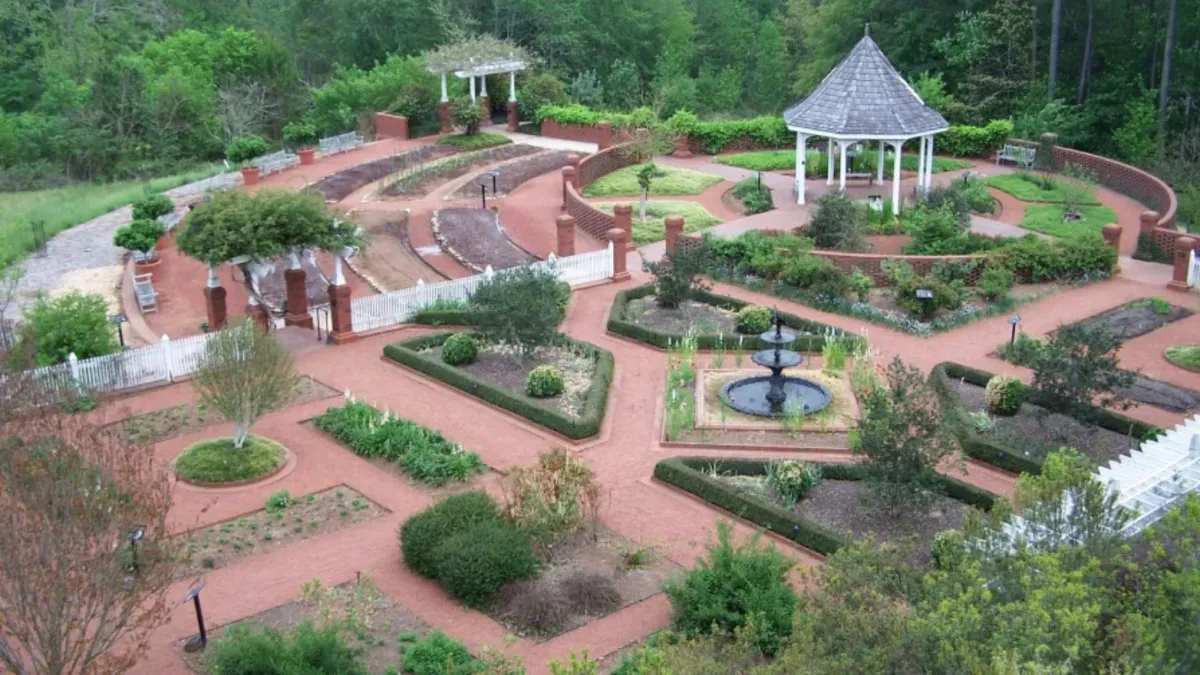
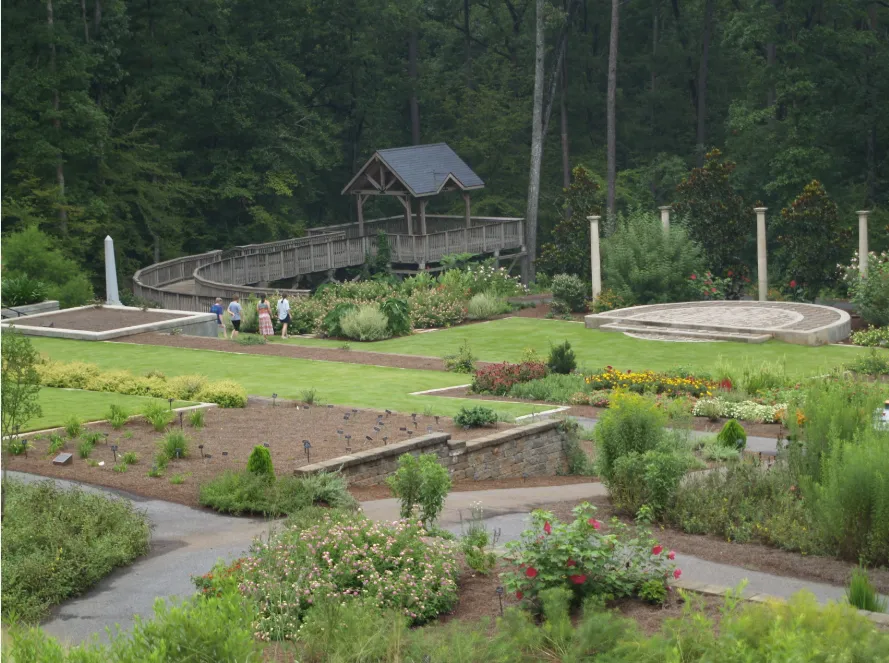
One of the first things visitors notice is the scale of the place. This is not a small garden tucked behind a building. It is a major natural preserve with themed gardens, wooded trails, open spaces, educational areas, and places that feel carefully designed as well as places that feel wonderfully wild. The official garden site notes that the State Botanical Garden of Georgia has several themed gardens across its acreage, and guided tours help visitors experience areas they might otherwise miss. Those gardens give the property a rhythm. One section may feel formal and elegant, while another feels native, shaded, and quiet. One path may invite you to study color, texture, and plant form, while another encourages you to simply breathe, listen, and slow down. The best way to experience the garden is not to rush through it. It rewards wandering. It rewards curiosity. It rewards people who are willing to look closely — at a flower, a leaf, a bird, a pathway, a stream, or the way sunlight falls across a garden wall.
The State Botanical Garden of Georgia is also one of Athens’ most meaningful bridges between the University of Georgia and the larger community. UGA is central to Athens’ identity, but the garden gives that connection a softer, more reflective expression. Instead of stadium lights and classroom buildings, the garden showcases another side of the university’s presence: research, conservation, public service, and lifelong learning. It serves students and scholars, but it also serves children, retirees, artists, hikers, gardeners, tourists, church groups, school groups, and Athens families who simply want a beautiful place to spend the afternoon. It is the kind of place where a biology student might be studying native plants, a grandmother might be walking with her grandchildren, a couple might be taking engagement photos, and a visitor from out of town might be discovering Athens for the first time. That mix is part of its magic. The garden belongs to the university, but it also belongs emotionally to the people of Athens and the citizens of Georgia.
For families, the garden is especially powerful because it introduces children to nature in a way that feels joyful instead of forced. The Alice H. Richards Children’s Garden has become one of the most beloved features of the property, giving young visitors a place to explore, touch, climb, ask questions, and discover the natural world through play. In an age when so much of childhood is shaped by screens, schedules, and indoor routines, places like this matter more than ever. A child who visits the garden may not remember the Latin name of a plant, but they may remember the smell of wet earth after rain, the shape of a strange leaf, the sight of a butterfly, or the feeling of walking through a garden that seemed made just for discovery. Those memories can become the beginning of a lifelong connection to nature. For Athens families, the garden is not just an attraction; it is a classroom without walls, a playground with meaning, and a quiet antidote to the speed of modern life.
The garden is also a major destination for bird lovers, hikers, and anyone who enjoys the natural side of Athens. Visit Athens notes that the preserve has plenty of nature trails and has been designated an Important Birding Area by Georgia Audubon. That designation says something important about the ecological value of the property. This is not merely decorative landscaping. It is habitat. It is a refuge. It supports birds, pollinators, native plants, and the larger natural systems that make the Georgia Piedmont so rich. The garden also features a Hummingbird Trail during part of the year, with markers showing places where hummingbirds are commonly seen. For people who enjoy walking, the trails offer a quieter version of Athens — one shaped by trees, birdsong, river corridors, and the changing seasons. Spring brings color and energy. Summer brings lush green life. Fall adds warmth and drama. Winter reveals structure, bark, branches, evergreens, and the subtle beauty of the landscape at rest.
One of the most impressive things about the State Botanical Garden of Georgia is how many different experiences it can provide in a single visit. A person can begin with a walk through cultivated garden spaces, move into a wooded trail, stop by the Visitor Center, enjoy a seasonal event, learn something new from a guided tour, and leave feeling both refreshed and better connected to Athens. The garden offers group tours and walk-up guided tours on select days, giving visitors a more informed look at the property and its collections. These tours are especially valuable for people who want to understand the garden rather than simply look at it. A guide can point out details that a visitor may miss: why a plant is important, how a garden was designed, what blooms during a particular season, or how different areas reflect Georgia’s natural heritage. The difference between walking through the garden alone and walking through it with an informed guide is like the difference between hearing music in the background and having someone explain the meaning behind the song.

The garden also has a cultural and artistic dimension that fits beautifully with Athens’ personality. Athens has always been more than one thing. It is a university town, a music town, a food town, a sports town, a historic town, and a creative town. The State Botanical Garden adds another layer to that identity. It is a place where art, landscape, education, and public life meet. Seasonal events, exhibitions, educational programs, and community gatherings help make the garden feel active without disturbing its peaceful character. The Porcelain and Decorative Arts Museum, located at the garden, adds another unexpected element, giving visitors a chance to pair natural beauty with art and design. The garden’s event calendar regularly features tours, classes, and special programs, showing that this is not a static attraction but a living institution with something new to experience throughout the year.
For Athens, the State Botanical Garden of Georgia is more than a place to visit. It is a statement about what the city values. It says that beauty matters. It says that plants matter. It says that education should not be limited to classrooms, that conservation should not be hidden in academic papers, and that public spaces can lift the spirit of an entire community. Every great city needs places where people can step away from noise and reconnect with something deeper. Athens has Sanford Stadium, downtown music venues, historic neighborhoods, local restaurants, coffee shops, churches, bookstores, and barber shops — all the pieces that create its unmistakable vibe. But the State Botanical Garden gives Athens something quieter and more timeless. It gives the city a sanctuary. Whether you are a lifelong Athenian, a UGA student, a weekend visitor, a gardener, a parent, a photographer, a birdwatcher, or someone who simply needs a peaceful walk, the garden offers one of the most meaningful experiences in Georgia. It is Athens at its most reflective, most natural, and most generous — a living masterpiece rooted in the land and open to everyone.

Innovation
Fresh, creative solutions.

Integrity
Honesty and transparency.

Excellence
Top-notch services.

FOLLOW US


COMPANY
CUSTOMER CARE
LEGAL
Copyright 2026 | Athens, Georgia | All Rights Reserved.